
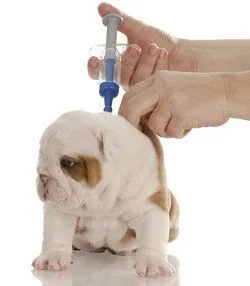
When you bring that soft, sweet-smelling little ball of a puppy into your home you know right away that she is depending on you for, well, everything. It’s up to you to give her all the care she/he needs every day. It can be a little intimidating—she needs nutritious food, plenty of attention, gentle training, safe toys, socialization, a comfortable home, and proper veterinary care. And that includes puppy vaccinations throughout her first year.
Going to the vet repeatedly over several months for vaccinations, and then for boosters or titers throughout your dog’s life, may seem like an inconvenience, but the diseases that vaccinations will shield our pets from are dangerous, potentially deadly, and, thankfully, largely preventable.
We read about so many different vaccinations, for so many different illnesses, that it can sometimes be confusing to know which vaccinations puppies need and which ones are important but optional. Here is an overview of the diseases that vaccinations will help your pet to avoid.
- Bordetella Bronchiseptica
- Canine Distemper
- A virus that attacks the respiratory, gastrointestinal (GI), and nervous systems of dogs, raccoons, skunks, and other animals, distemper causes discharges from the eyes and nose, fever, coughing, vomiting, diarrhea, seizures, twitching, paralysis, and, often, death. There is no specific drug for the virus, but the symptoms can be alleviated, and that will give your puppy’s immune system a chance to fight it off.
- Canine Hepatitis
- A disease of the liver caused by a virus that is unrelated to the human form of hepatitis. Symptoms range from a slight fever and congestion of the mucous membranes to vomiting, jaundice, stomach enlargement, and pain around the liver. Many dogs can overcome the mild form of the disease, but the severe form can kill. There is no cure, but doctors can treat the symptoms.
- Canine Parainfluenza
- One of several viruses that can contribute to kennel cough (see above).
- Corona Virus
- This is a nasty virus that usually affects dogs’ gastrointestinal systems, though it can also cause respiratory infections. Signs include most GI symptoms, including loss of appetite, vomiting, and diarrhea. Doctors can keep a dog hydrated, warm, and comfortable, and help alleviate nausea, but there is no drug that kills coronaviruses.
- Heartworm
- When your puppy is around 12 to 16 weeks, talk to your vet about starting her on a heartworm preventative. Though there is no vaccine for this condition, it is preventable with regular medication. The name is descriptive—these worms lodge in the right side of the heart and the pulmonary arteries (that send blood to the lungs), though they can travel through the rest of the body and sometimes invade the liver and kidneys. The worms can grow to 14 inches long (ick!) and, if clumped together, block and injure organs. A new infection often causes no symptoms, though dogs in later stages of the disease may cough, become lethargic, lose their appetite or have difficulty breathing. Infected dogs may tire after mild exercise. Unlike most of the diseases listed here, which are passed by urine, feces, and other body fluids, heartworms are transmitted by mosquitoes. The FDA has more information about heartworm.
- Kennel Cough
- Also known as infectious tracheobronchitis, kennel cough results from inflammation of the upper airways. It can be caused by bacterial, viral, or other infections, such as bordetella and canine parainfluenza, and often involves multiple infections simultaneously. Usually the disease is mild, causing bouts of harsh, dry coughing; sometimes it’s severe enough to spur retching and gagging, along with a loss of appetite. In rare case it can be deadly. It is easily spread between dogs kept close together, which is why it passes quickly through kennels. Antibiotics are usually not necessary, except in severe, chronic cases. Cough suppressants can make a dog more comfortable.
- Leptospirosis
- Unlike most diseases on this list, leptospirosis is caused by bacteria, and sometimes shows no symptoms at all. When symptoms do appear, they can include fever, vomiting, abdominal pain, diarrhea, loss of appetite, severe weakness and lethargy, stiffness, muscle pain, or infertility. Antibiotics are effective, and the sooner they are given, the better.
- Lyme Disease
- Unlike the famous “bull’s-eye” rash that people exposed to Lyme disease often spot, no such telltale symptom occurs in dogs. Transmitted via ticks, an infected dog often starts limping, his lymph nodes swell, his temperature rises, and he stops eating. The disease can affect his heart, kidney, and joints, among other things, or lead to neurological disorders if left untreated. If diagnosed quickly, a course of antibiotics is extremely helpful, though relapses can occur months or even years later.
- Parvovirus
- Parvo attacks the gastrointestinal system and creates loss of appetite, vomiting, fever, and often severe, bloody diarrhea. Extreme dehydration can come on rapidly and kill a dog within 48 to 72 hours, so prompt veterinary attention is crucial. There is no cure, so keeping the dog hydrated and controlling the secondary symptoms can keep him going until his immune system beats the illness.
- Rabies
- The rabies virus invades the central nervous system, causing headache, anxiety, hallucinations, excessive drooling, fear of water, paralysis, and death. Treatment within hours of infection is essential, otherwise death is highly likely. Most states require rabies vaccination. Check with your vet about rabies vaccination laws in your area.
Of course, your veterinarian should weigh in and can always provide more information and guidance if needed on necessary and optional vaccinations.
Puppy Vaccination Schedule
The first thing to know is that there is not just one puppy vaccination schedule for all dogs. Factors such as which part of the country you live in and your dog’s individual risk factors will come into play. Some dogs do not need every vaccine. This decision is between you and your veterinarian. Always discuss puppy vaccinations at your regularly scheduled appointments.
That said, here is a generally accepted guideline of the puppy vaccination schedule for the first year.
| Puppy's Age | Recommended Vaccinations | Optional Vaccinations |
| 6 - 8 weeks | Distemper, measles, parainfluenza | Bordetella |
| 10 - 12 weeks | DHPP (vaccines for distemper, adenovirus [hepatitis], parainfluenza, and parvovirus) | Coronavirus, Leptospirosis, Bordetella, Lyme disease |
| 12 - 24 weeks | Rabies | none |
| 14 - 16 weeks | DHPP | Coronavirus, Lyme disease, Leptospirosis |
| 12 - 16 months | Rabies, DHPP | Coronavirus, Leptotspirosis, Bordetella, Lyme disease |
| Every 1 - 2 years | DHPP | Coronavirus, Leptotspirosis, Bordetella, Lyme disease |
| Every 1 - 3 years | Rabies (as required by law) | none |